Saffron is one of the most luxurious and precious foods in the world. A great deal of work goes into every gram: the flowers are picked one by one by hand at dawn in autumn, and the red threads are separated by hand too. That is why you will find very different prices when you shop for saffron. It pays to know the different saffron grades, so you can make the best choice for how you plan to use it. In this guide we introduce all 5 grades one by one.
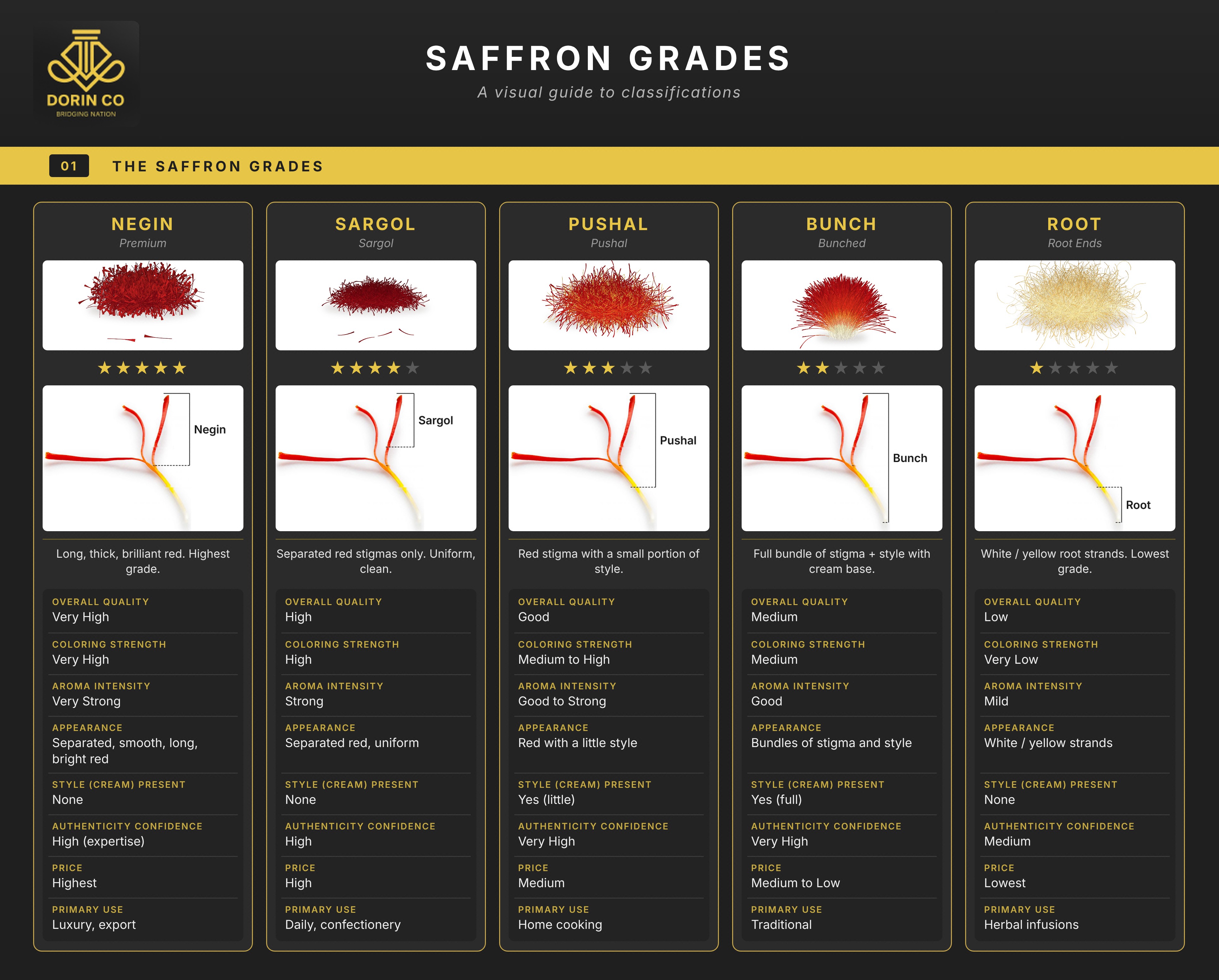
1. Negin (Super Negin) – the highest grade ★★★★★
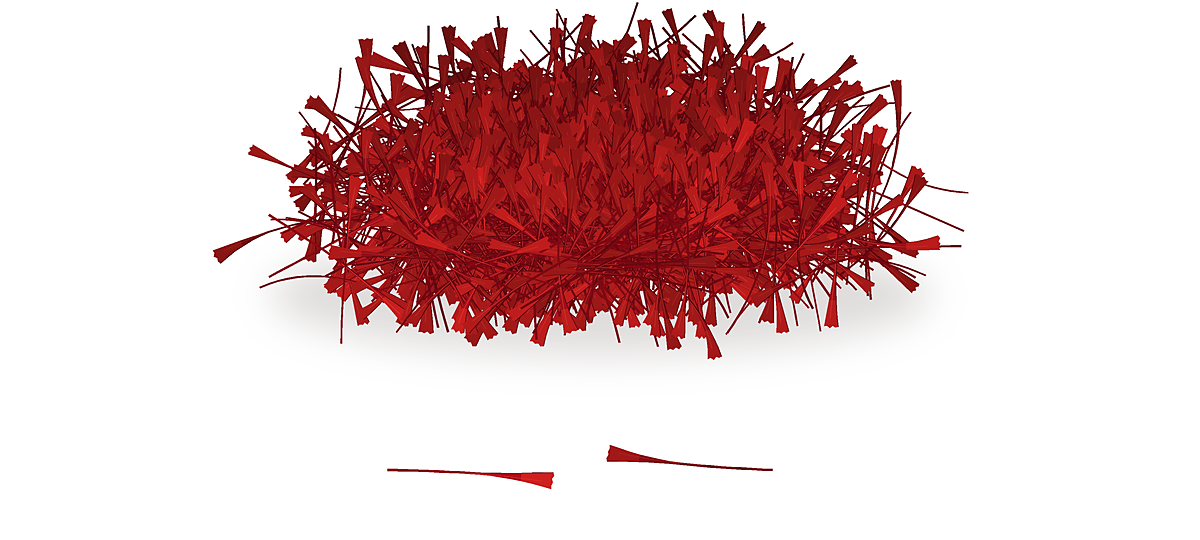
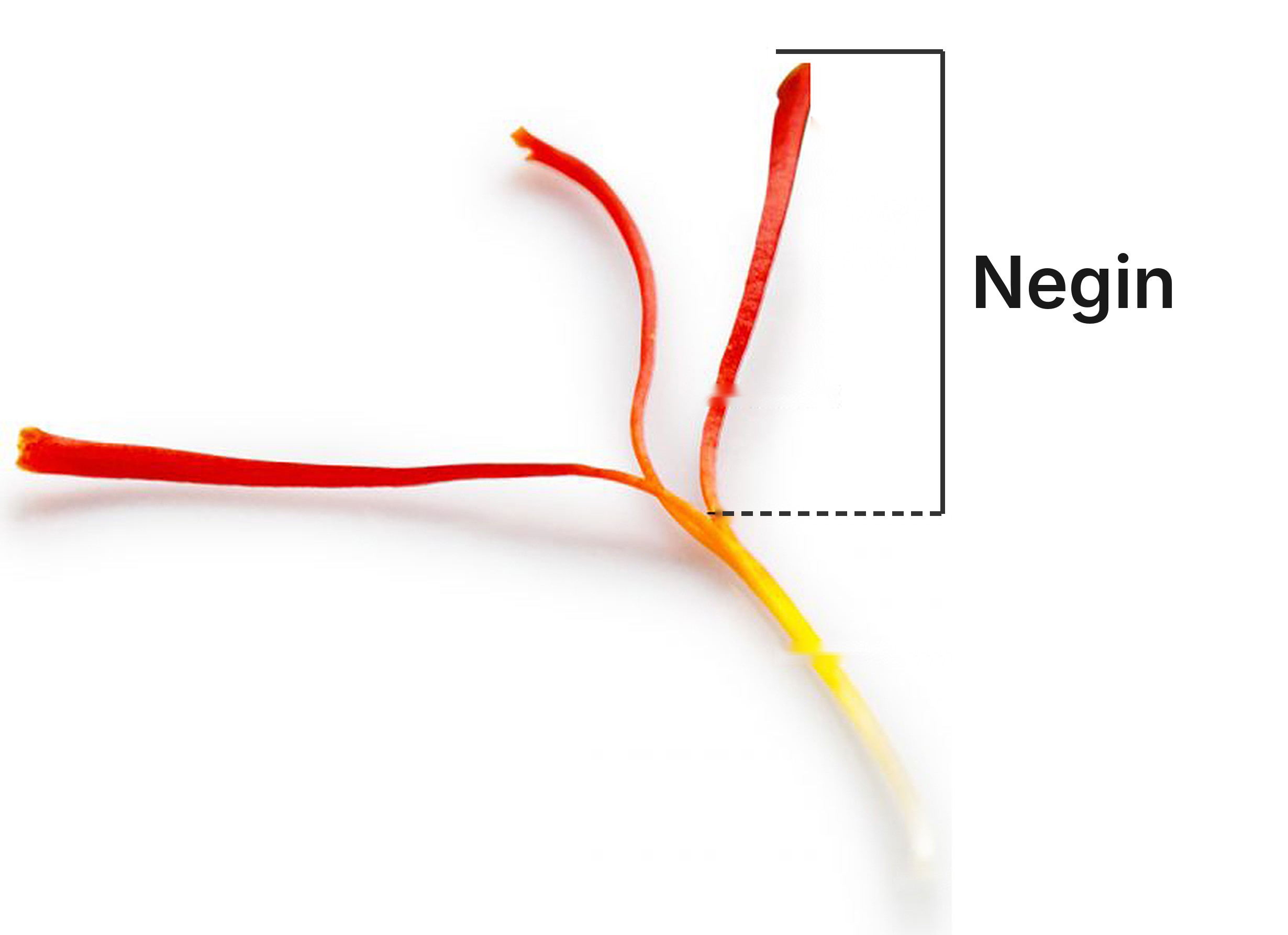
Negin is selected from the longest and widest stigmas. The tips are open and trumpet-shaped, completely deep red, with no yellow part at all. For Super Negin, only the largest and most intact threads are chosen.
- Colouring strength: very high
- Aroma: very strong
- Price: the highest
- Best for: gifts, professional cooking and export
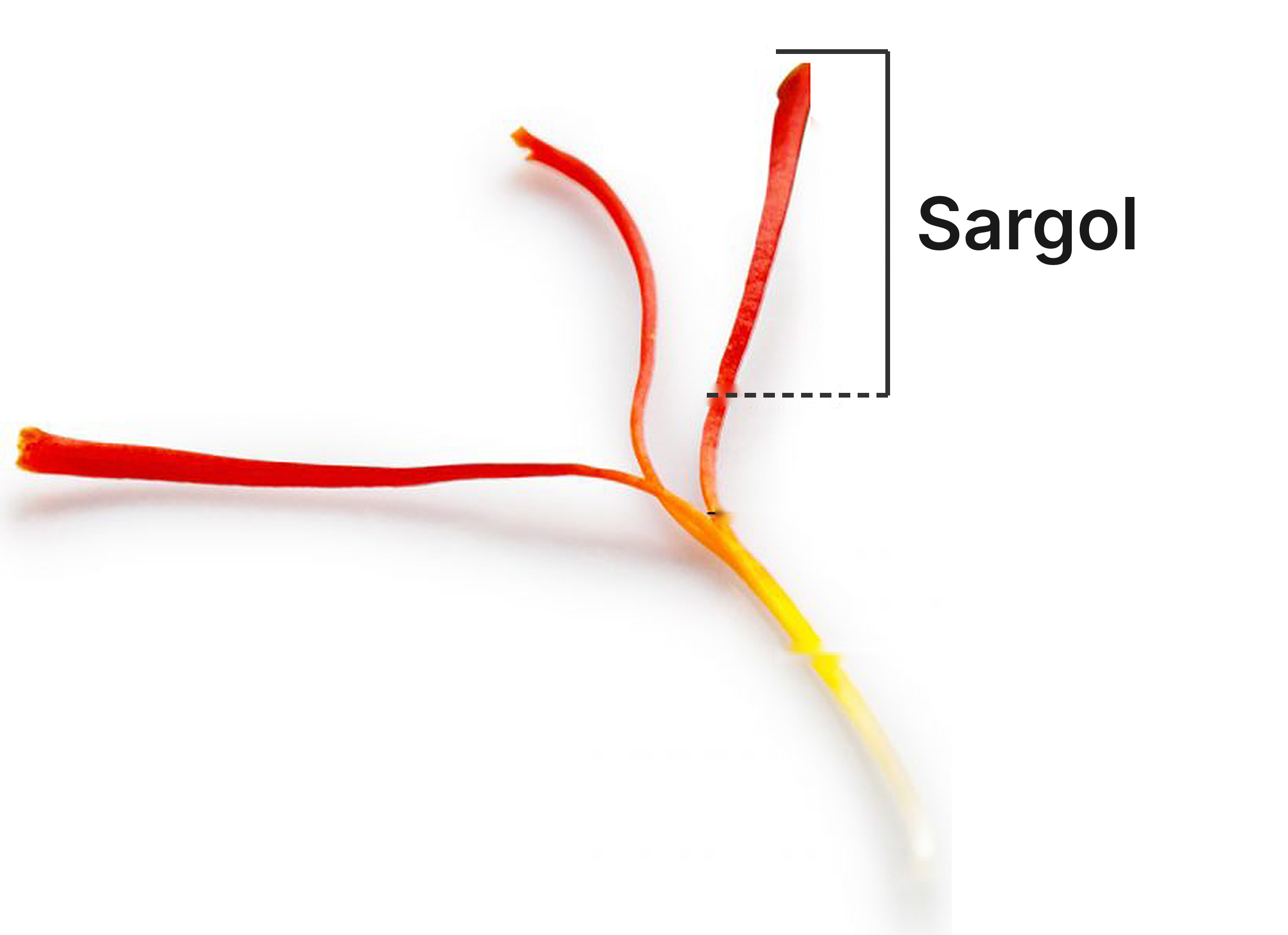
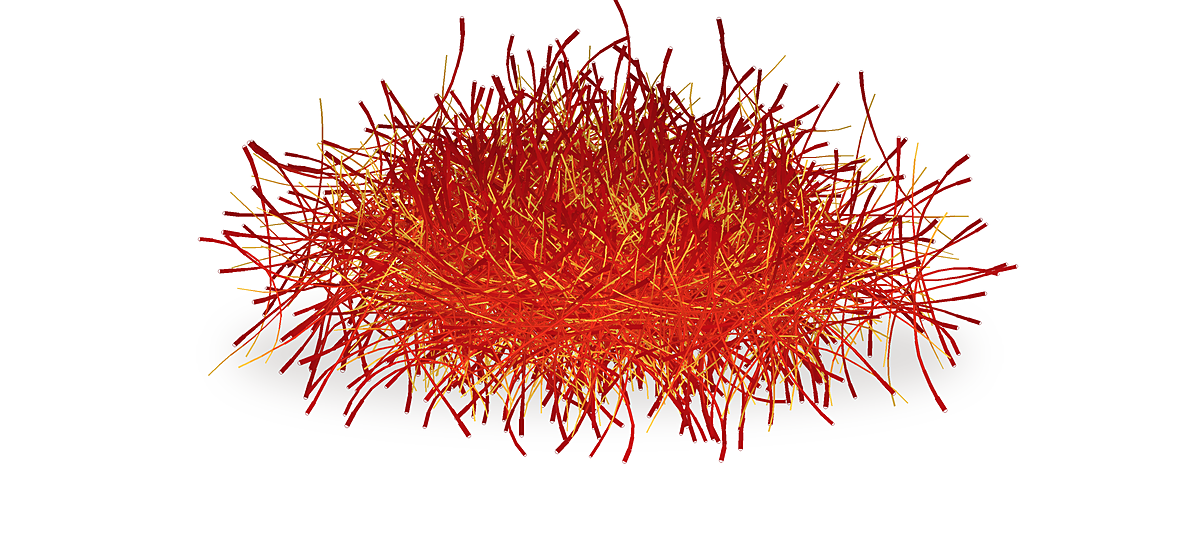
2. Sargol – only the red tips ★★★★☆
Sargol is only the red upper part of the thread. It is shorter and narrower than Negin and sometimes contains broken pieces, but it is completely red and uniform.
- Colouring strength: high
- Aroma: strong
- Price: high
- Best for: everyday cooking and baking
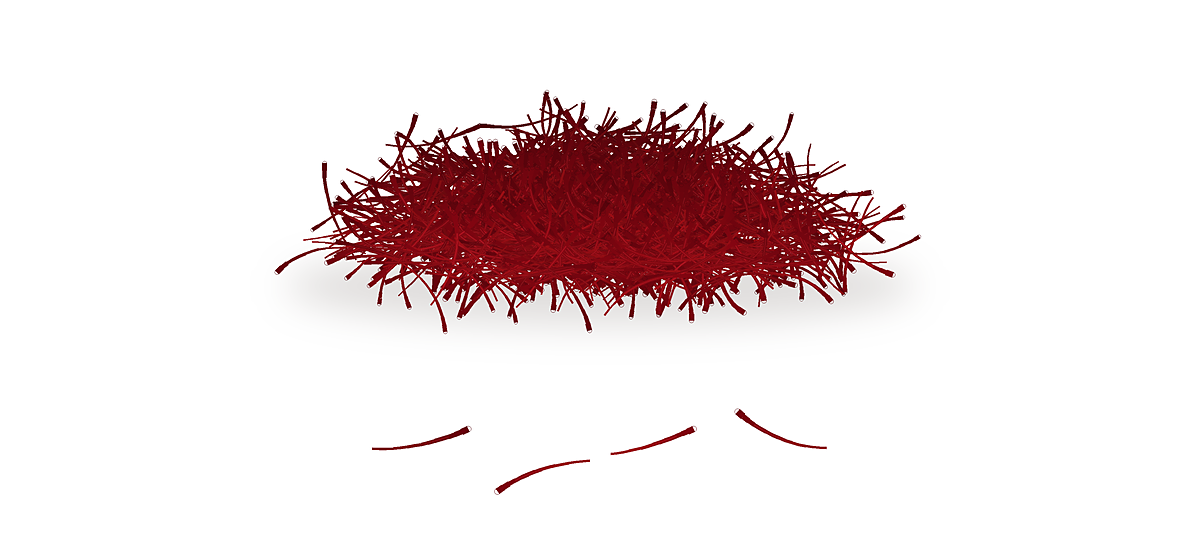
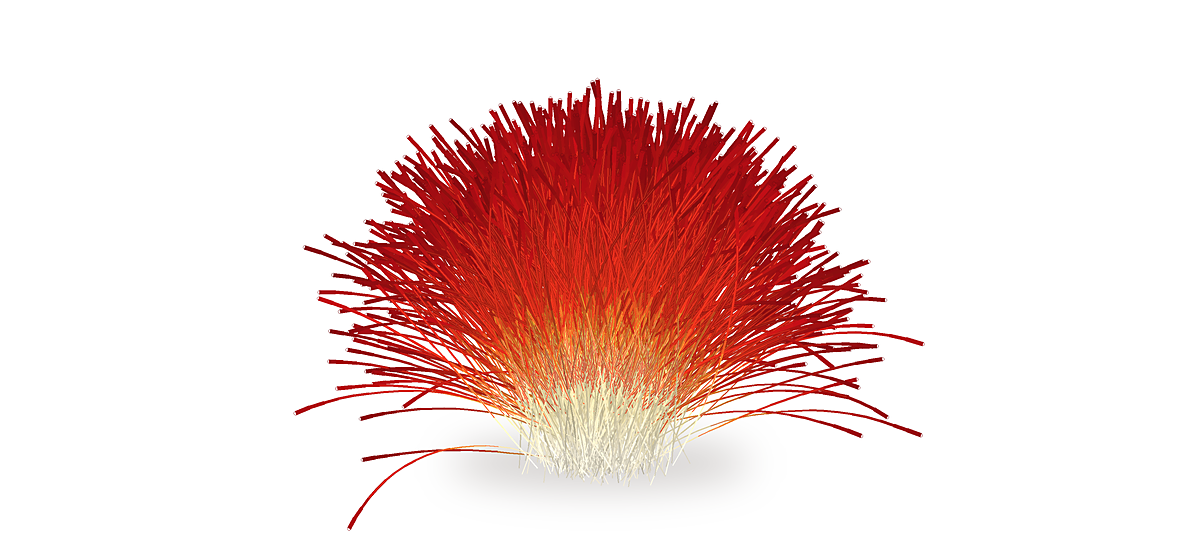
3. Pushal – red with a little yellow ★★★☆☆
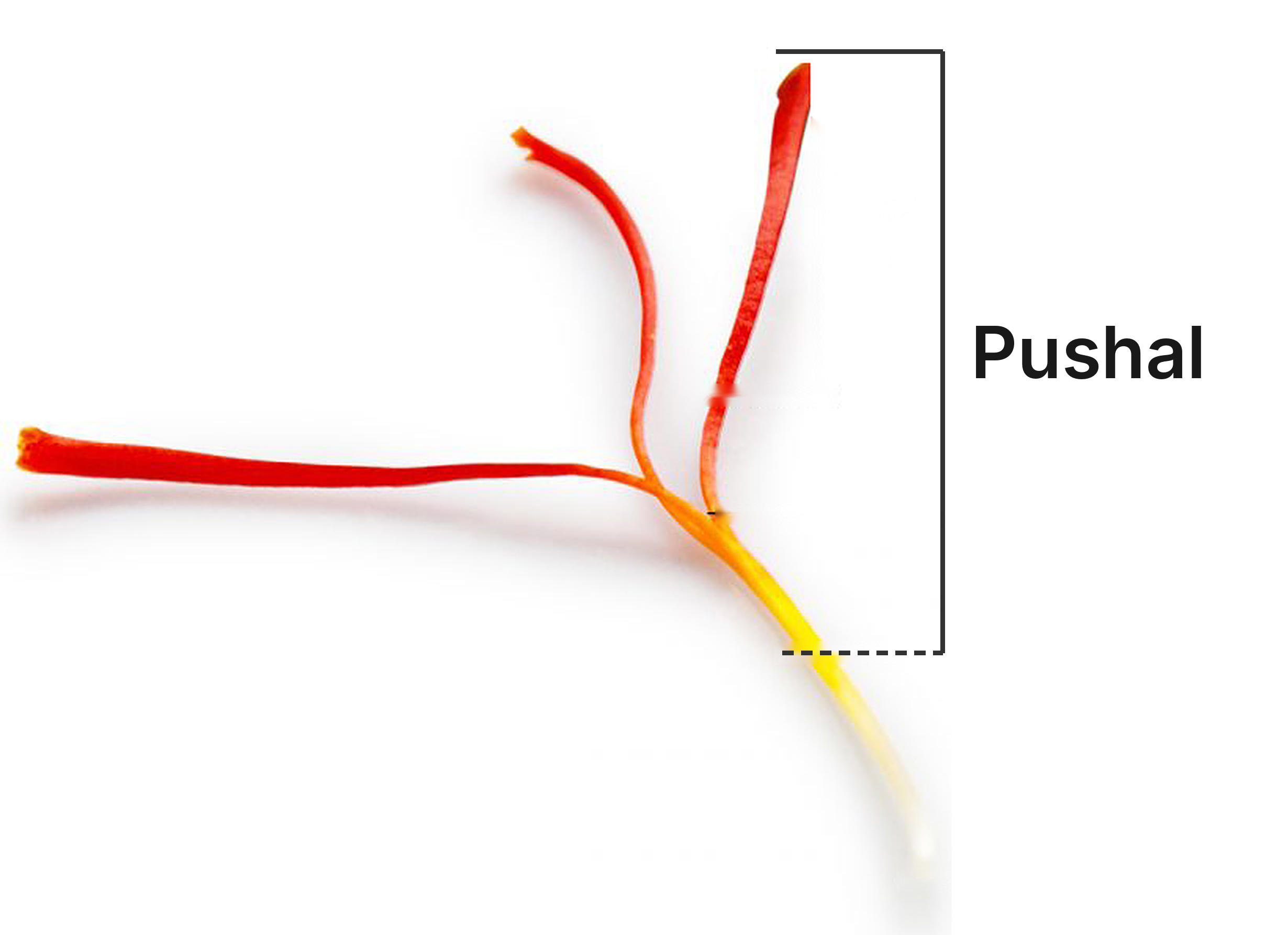
Pushal is the red stigma together with a few millimetres of the yellow style. That yellow part shows the saffron is natural and unprocessed, which is why many people trust Pushal.
- Colouring strength: medium to high
- Aroma: good to strong
- Price: medium
- Best for: home cooking
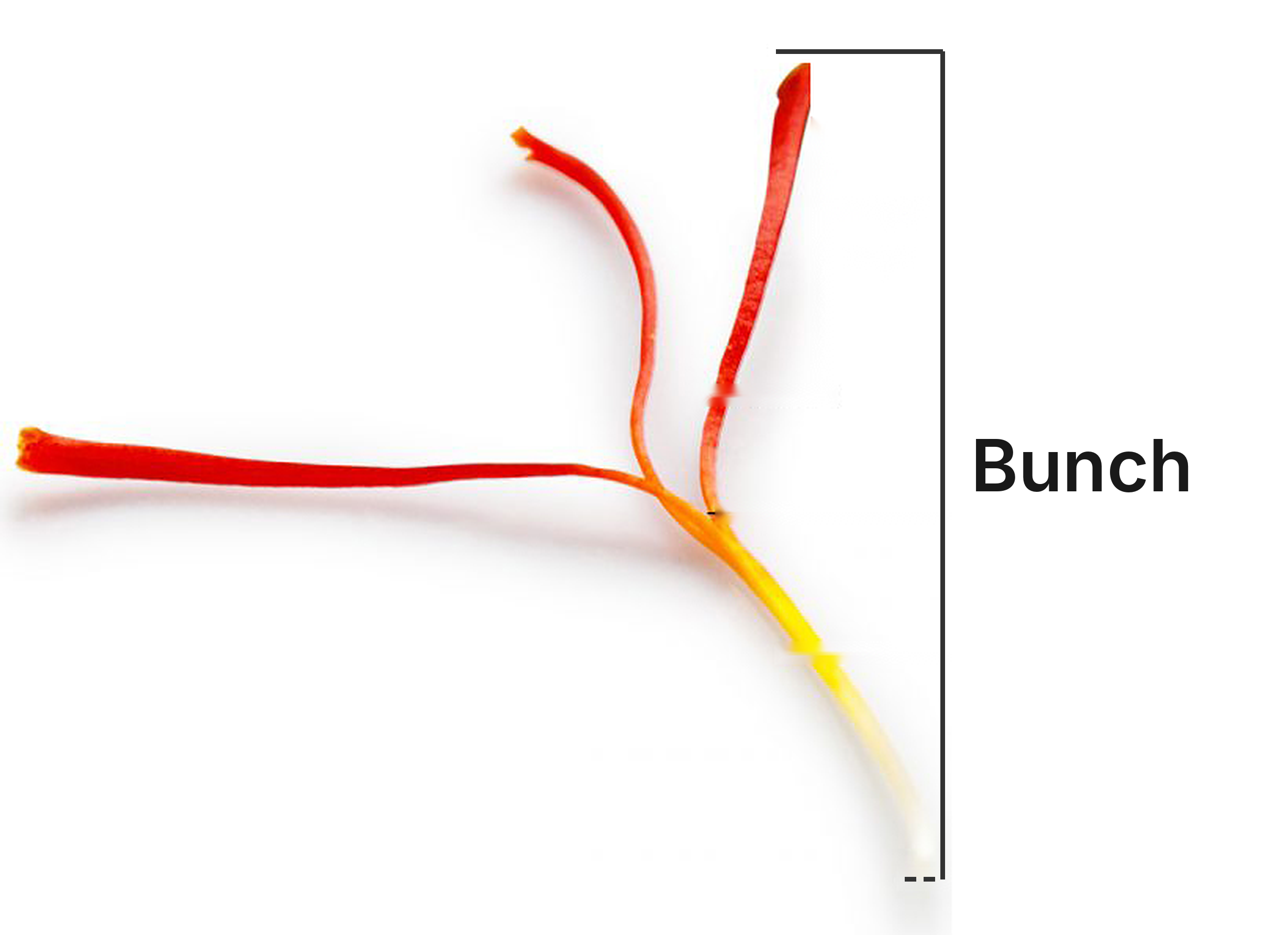
4. Bunch (Dasteh) – the whole thread in a bundle ★★☆☆☆
In Bunch saffron, the whole thread – red stigma and yellow-white style – is kept intact and packed together in a small bundle. It is the traditional form of saffron and its authenticity is easy to see, but because the style also counts in the weight, its colouring strength is lower.
- Colouring strength: medium
- Aroma: good
- Price: medium to low
- Best for: traditional use
5. Root (Konj) – only the white part ★☆☆☆☆
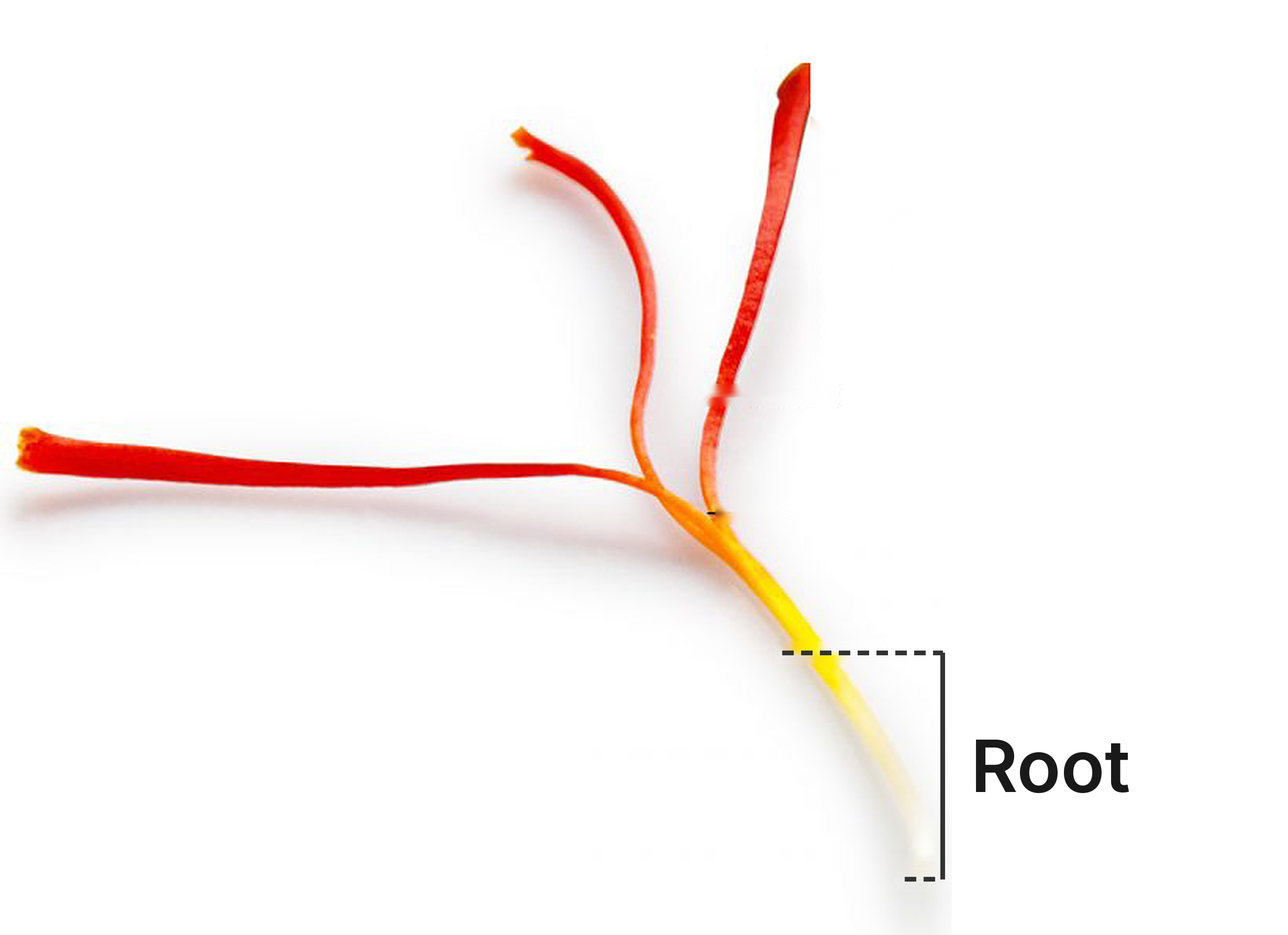
Root, or Konj, is only the white-yellow style, without any red part. It gives very little colour and has a mild aroma.
- Colouring strength: very low
- Aroma: mild
- Price: the lowest
- Best for: herbal infusions
Which saffron should you buy?
If you want the most colour and aroma from the smallest amount, Negin or Sargol is the best choice. The more red there is, the less saffron you need – which is why more expensive saffron is often better value in practice.
Frequently asked questions about saffron grades
Is Negin better than Sargol?
Both are completely red. Negin has longer, wider threads and looks more beautiful; Sargol is shorter.
Why does Pushal have a yellow part?
Because a small piece of the style was cut together with the stigma. That is not adulteration – that is simply what Pushal is.
Is Root real saffron?
Yes, it comes from the same flower, but its colour and aroma are much weaker than the red part.
Comments (0)
No comments yet. Be the first to share your experience!